
A disputed collision can consume far more than the cost of a repair. It can take vehicles off the road, tie up managers, affect an insurer’s view of risk and leave a driver facing an allegation they cannot properly answer. This commercial vehicle camera guide explains how UK fleet operators can select a camera system that produces useful evidence, improves driving standards and supports day-to-day control without creating another admin task.
Start with the operational problem, not the camera specification
The best camera arrangement depends on what your vehicles do, where they operate and the risks they meet. A national delivery fleet, a utilities team working at the roadside and a local authority operating refuse vehicles may all need video evidence, but their priorities are different.
For some fleets, the main requirement is a clear forward-facing view to establish what happened before a collision. For others, side cameras are essential because drivers regularly work in busy urban areas where cyclists and pedestrians may be alongside the vehicle. A rear camera can reduce low-speed reversing incidents, while an in-cab camera may be appropriate where a business needs to investigate distraction, fatigue or unsafe behaviour.
Starting with risk also prevents overspending. A four-camera system with live streaming has real value for certain high-risk operations, but it is not automatically the right answer for every van or car. Equally, choosing the lowest-cost front camera can be a false economy if the footage is not clear enough to support an incident review.
A practical assessment should consider vehicle type, routes, shift patterns, claims history, reversing activity, vulnerable road user exposure and whether the vehicle carries high-value goods. It should also account for the operational impact of a collision. A missed appointment, failed delivery or unavailable engineer can create costs that are not visible in a repair invoice.
Choosing the right commercial vehicle camera setup
Forward-facing cameras for incident evidence
Forward-facing cameras are the starting point for many fleets. They record the road ahead and can provide objective evidence of lane position, traffic conditions, braking events and the actions of other road users. When connected to telematics data, video can be reviewed alongside speed, location, direction and the force of an impact.
For a fleet manager, that context matters. Footage alone may show a car pulling out, but the associated data can confirm whether the company vehicle was travelling appropriately and whether the driver braked promptly. This helps resolve claims more quickly and supports fair driver debriefs.
Look for reliable image quality in low light, a useful field of view and event-triggered recording. A camera that captures clear footage only on a bright afternoon is not enough for a fleet operating through early starts, winter evenings and poor weather.
Multi-camera systems for larger or higher-risk vehicles
Lorries, tippers, plant vehicles, refuse vehicles and other large assets often need a wider view. Side and rear cameras can help drivers manage blind spots and give managers evidence when an incident occurs around the vehicle rather than directly in front of it.
A multi-camera digital video recorder can bring several views together, commonly including front, rear, nearside and offside coverage. This is particularly valuable for vehicles working in congested areas, construction environments or sites with frequent manoeuvring.
The trade-off is cost, installation complexity and the volume of footage produced. The system must be configured so that important events are easy to find. If a manager has to search manually through hours of recordings to investigate a minor impact, the technology will not deliver its full value.
Driver-facing cameras and the importance of policy
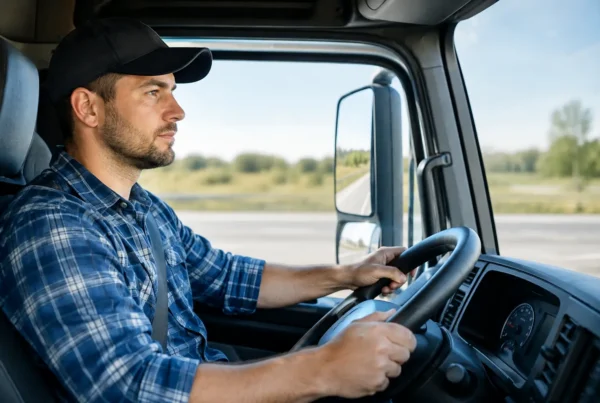
Driver-facing cameras can support a stronger safety programme, especially where fatigue, mobile phone use or repeated harsh driving events are concerns. They can also protect drivers from unfounded complaints. However, they need careful introduction.
A driver-facing camera should never be presented as a shortcut to disciplinary action. Explain the reason for the system, the events that trigger review, who can access footage, how long it is retained and how it will support drivers after incidents. Consult with employees and, where relevant, staff representatives before rollout.
A clear policy is as important as the camera itself. It should align with data protection requirements, set out a legitimate business purpose and ensure footage is handled proportionately. Fleet operators should obtain appropriate advice on their specific circumstances, particularly where audio recording or continuous in-cab video is being considered.
Live viewing versus recorded footage
Live streaming can be valuable when a vehicle is involved in a serious incident, when operations need immediate visibility or when lone workers operate in higher-risk settings. It gives managers the ability to view a situation promptly rather than waiting for a vehicle to return or a recording to upload.
It is not essential for every fleet. Streaming uses data, requires an appropriate connectivity plan and needs clear controls around who can initiate a live view. For many businesses, event-based uploads and on-demand retrieval provide the right balance between responsiveness and cost.
Make cameras part of your telematics strategy
A camera system has greater operational value when it works with vehicle tracking rather than sitting in a separate portal. A manager should be able to see the vehicle’s location, route, speed and driving events, then open the associated clip when an incident needs investigation.
This joined-up view changes how fleets deal with risk. Instead of relying on a driver’s recollection after a complaint, the transport team can establish the facts quickly. Instead of issuing generic reminders about speeding or harsh braking, they can identify recurring patterns and hold a constructive conversation based on a specific event.
The objective is not to monitor every mile for its own sake. It is to focus management time where it will make a difference. Configurable alerts can flag collisions, harsh braking, excessive speed, camera obstruction or repeated driving events. Dashboards and scheduled reports can then show whether interventions are improving performance over time.
Fleet Software Solutions can combine camera options with a device-agnostic telematics platform, allowing businesses to choose hardware that suits their vehicles while keeping data, alerts and reporting in a practical operational view.
Installation quality determines whether evidence is usable
A well-specified camera installed poorly can still fail when it matters. Camera position affects the field of view and whether reflections, wipers, sun glare or vehicle bodywork obscure key detail. Cables and connectors must be secured properly, particularly on vehicles exposed to vibration, dust, weather and frequent washdowns.
Professional installation also helps avoid disruption to existing vehicle equipment. The installer should understand the vehicle, position cameras consistently across the fleet and test recordings before handover. On larger rollouts, a pilot installation is worthwhile. It allows managers and drivers to review footage quality, validate trigger settings and correct any placement issues before the programme scales.
Ask how cameras will be maintained as well. Lenses need cleaning, damage needs reporting and systems need periodic checks. A camera obscured by dirt, a misaligned lens or a faulty storage device may not be noticed until after an incident, when it is too late.
Set retention, access and incident processes before rollout
Cameras generate sensitive operational data. A sensible retention period should be long enough to identify and investigate incidents, but not so long that the fleet stores unnecessary footage indefinitely. Event footage may need different handling from continuous recordings, depending on the system and the business purpose.
Access should be limited to trained, authorised people. Managers need a defined process for responding to a collision, complaint or request for footage. That process should cover preserving the relevant clip, recording the associated telematics information, notifying insurers where needed and documenting the outcome.
Speed is valuable here. If footage can be retrieved while details are fresh, the business is in a stronger position to defend its driver or address a genuine issue. This can also improve customer service where a delivery, attendance or vehicle presence is questioned.
Measure value beyond claims savings
Claims defence is often the first reason fleets consider cameras, but the commercial case is wider. Measure the number of incidents resolved with footage, the time taken to investigate complaints, changes in harsh-driving events, reductions in reversing damage and the trend in preventable collisions.
There may also be benefits in insurance discussions, reduced vehicle downtime and improved driver coaching. The exact return depends on fleet size and risk profile. A small fleet with few annual incidents may value reassurance and faster fact-finding most, while a larger fleet may see measurable savings from fewer disputed claims and targeted behaviour improvement.
The most effective programmes treat camera footage as evidence and coaching material, not as a constant surveillance exercise. Drivers are more likely to engage when they see that the system can prove they were not at fault and that managers use it fairly.
Choose a camera solution that answers the real risks in your operation, fits the vehicle and gives your team a clear process for acting on what it records. That is how footage becomes a practical tool for safer drivers, stronger incident management and better control of fleet cost.