
A vehicle leaving the yard outside normal hours can be more than a fuel-cost issue. It may expose the business to uninsured driving, missed maintenance, accident liability, theft, reputational damage and a difficult conversation with a customer whose booked job has been delayed. Knowing how to reduce unauthorised vehicle use means putting practical controls around access while retaining enough flexibility for legitimate operational needs.
For most UK fleets, the answer is not one rule or one piece of technology. Effective control comes from combining a clear vehicle-use policy, visible telematics data, proportionate access controls and a fair process for investigating exceptions. The aim is to make authorised use easy to evidence and unauthorised use difficult to hide.
Start by defining what unauthorised use means
Unauthorised use is often treated as an obvious concept, but it can mean different things across a fleet. A driver taking a van home with permission is not the same as a vehicle being used for private weekend work. Equally, an employee may have authority to use a vehicle during working hours but not to lend it to a family member, tow an unapproved trailer or travel outside a defined operating area.
Your policy should set out who may drive each vehicle, permitted business and private use, home-to-work arrangements, out-of-hours use, passenger rules and the procedure for requesting exceptions. It should also state what happens when a driver leaves the business, changes role, loses licence entitlement or is suspended from driving duties.
Avoid vague statements such as “reasonable use only”. They are hard to apply consistently. Specific rules give managers a fair basis for action and make it easier for drivers to understand where the boundary sits.
Separate misuse from genuine operational exceptions
A rigid policy can create workarounds. Engineers may need to respond to an emergency call-out, collect equipment early for a remote job or leave a vehicle at a secure location overnight. These are legitimate circumstances, provided they are recorded and approved.
Build a simple approval route into the process. A driver or line manager should be able to request an out-of-hours journey, temporary home parking or a change to the normal operating area without excessive admin. When genuine exceptions are easy to declare, unexplained activity stands out much more clearly.
Use telematics to identify unusual movement quickly
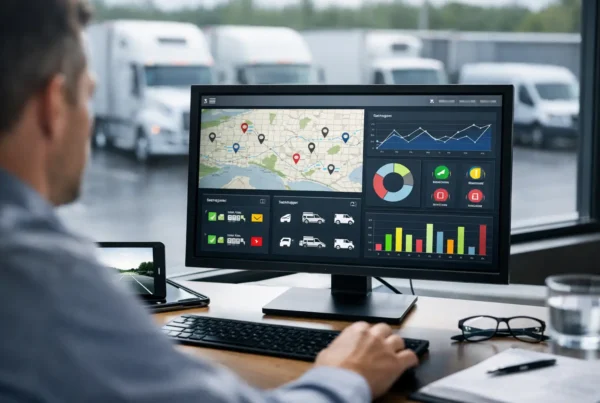
Vehicle tracking is most valuable when it supports action, not when it simply produces more data. Live location, journey history and configurable alerts give fleet and operations teams an objective record of where a vehicle has been and when it moved.
For organisations looking at how to reduce unauthorised vehicle use, geofence and time-based alerts are particularly effective. A geofence can notify the relevant manager when a vehicle leaves a depot, customer site or approved home address. Time-based rules can flag movement overnight, at weekends or outside scheduled shifts. Neither alert proves wrongdoing on its own, but each creates a prompt to check whether the journey was expected.
The best alert settings reflect the way your business works. A 24-hour maintenance provider needs different thresholds from a regional installation team working Monday to Friday. Start with a small number of high-value alerts, review the results after a few weeks and refine them. If the system generates notifications for every normal journey, managers will soon stop paying attention.
Journey reporting also helps identify patterns that are easy to miss in real time. Repeated visits to a private address, regular detours, unexplained mileage or vehicles moving when the assigned driver is on leave all warrant review. Used consistently, this information can also highlight process problems, such as unclear take-home vehicle arrangements or an over-reliance on informal permissions.
Confirm who is driving, not just where the vehicle is
A location record alone cannot always establish who was behind the wheel. This matters when vehicles are shared between shifts, when agency drivers are used or when an employee has allowed an unauthorised person to drive.
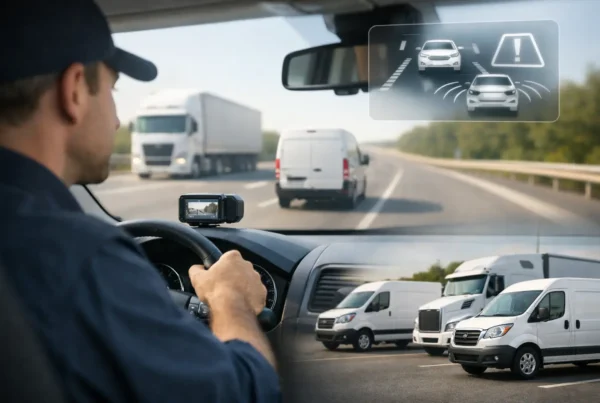
Driver identification methods, such as RFID tags, key fobs, app-based sign-on or in-cab driver ID devices, can connect a journey to an individual. This improves accountability and gives managers a stronger basis for driver debriefs, licence checks and behaviour reporting. It also reduces the scope for disputes after a speeding allegation, collision or customer complaint.
The right method depends on fleet operations. A single-driver allocated van fleet may need a lighter-touch arrangement than a pool-car operation with multiple drivers each day. What matters is that the process is simple enough for people to use consistently. An accurate system that adds minutes to every departure will soon be bypassed.
Vehicle cameras can provide further protection where risk is higher. Forward-facing footage may help verify an incident, while an in-cab camera can support investigations into driver identity and conduct. Camera use should be supported by a clear policy explaining the purpose, access arrangements, retention periods and how footage may be reviewed. Transparency is essential, both for employee trust and data protection compliance.
Tighten control of keys, fuel and vehicle access
Telematics identifies movement, but access controls can prevent it. Review who holds keys, where spare keys are stored and whether key issue and return are recorded. A locked, controlled key cabinet with an audit trail is often a sensible improvement for depots and shared fleets.
For higher-risk vehicles, immobilisation or driver-authorisation features may be appropriate. These should be configured carefully. A vehicle must never be immobilised while moving, and any process must account for lone workers, emergency call-outs and safe recovery arrangements. The objective is controlled access, not a system that could leave an employee stranded.
Fuel card controls are another useful check. Match fuel transactions to vehicle location, mileage and expected journey activity. A card used outside working hours or a fill-up that does not align with the tracked vehicle can signal misuse, card sharing or an administrative error. Investigate the facts before drawing conclusions.
Make managers responsible for reviewing exceptions
Technology will not reduce unauthorised use if alerts go unread. Give named managers responsibility for checking exceptions and agree what requires immediate action, what can wait for a weekly review and what should be recorded for trend analysis.
A practical workflow might involve the fleet team receiving alerts, line managers confirming legitimate journeys, and unresolved cases being escalated under the disciplinary or HR process. Keep the investigation proportionate. Check job records, call-out logs, driver schedules and any previous approval before speaking to the employee.
This approach protects both the business and the driver. A tracked journey may have a valid explanation, such as avoiding a road closure, attending an emergency customer visit or moving a vehicle after a security concern. Starting with evidence rather than assumption encourages honest discussion and makes any formal action more defensible.
Communicate the reason for the controls
Drivers are more likely to support monitoring when they understand the commercial and safety case. Explain that vehicle controls protect their licence position, help defend false claims, improve recovery chances after theft and ensure company vehicles remain available for customer work. They also help the business manage insurance risk, fuel spend and duty-of-care responsibilities.
Introduce the policy during induction and revisit it when telematics or camera technology is installed. Give drivers a copy, obtain acknowledgement and train supervisors to apply it consistently. If a driver has a take-home vehicle, confirm the arrangement in writing rather than relying on a verbal understanding from a previous manager.
Privacy concerns should be handled directly. Be clear about what information is collected, when it is reviewed and who can access it. If private use is permitted, consider whether a privacy mode is suitable, but balance this against insurance, security and operational requirements. The appropriate arrangement will depend on the vehicle’s role and the level of risk.
Measure whether controls are working
Track more than the number of alerts. Useful measures include unexplained out-of-hours journeys, unauthorised mileage, repeat exceptions, key-control breaches, fuel anomalies and the time taken to resolve alerts. Compare results by depot, vehicle type and operating team to identify where processes need attention.
A reduction in unauthorised activity should produce visible business benefits: less wasted mileage and fuel, fewer avoidable maintenance costs, better vehicle availability and stronger evidence when insurance incidents arise. It can also improve customer service, because managers have a clearer picture of vehicle location and can deal with disruptions earlier.
Fleet Software Solutions can help operators configure telematics, driver identification and reporting around the realities of their fleet rather than applying generic rules. The most effective setup is one that gives managers meaningful exceptions to review without creating a daily stream of noise.
The practical test is straightforward: when a vehicle moves, your business should be able to establish who authorised it, who drove it and why the journey was necessary. Build that level of clarity into everyday operations, and unauthorised use becomes far harder to justify or repeat.