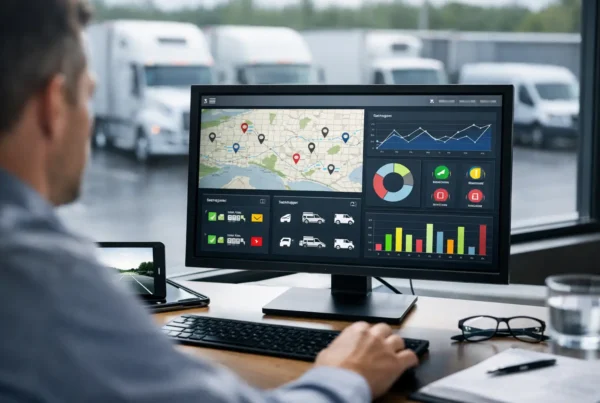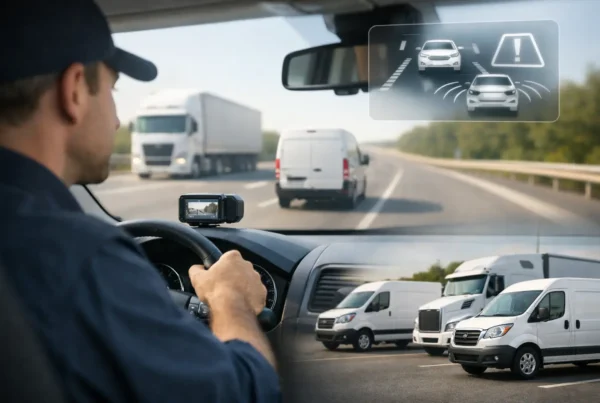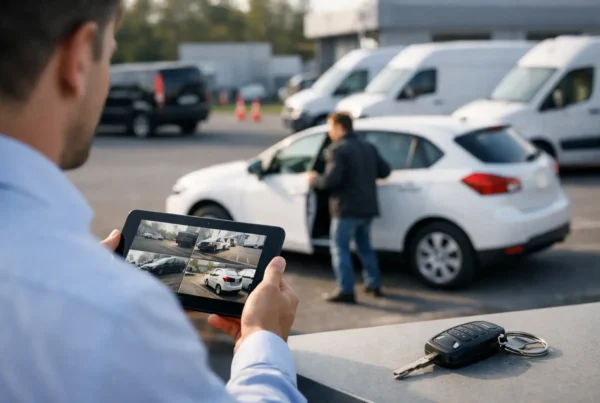

A vehicle camera policy guide should do more than tell drivers that cameras are fitted. It should explain why footage is collected, who can see it, how incidents are reviewed and where the line sits between legitimate fleet oversight and unnecessary intrusion. Get those decisions right before installation and cameras become a practical risk-management tool rather than a source of driver concern, HR disputes or unused data.
For UK fleet operators, the strongest policy is built around operational purpose. A forward-facing camera may help establish liability after a collision. A multi-camera system on a refuse vehicle can protect vulnerable road users. An in-cab camera may support fatigue or distraction investigations, but it also needs greater care because it records the driver directly. The policy should reflect those differences rather than treating every camera in the fleet as the same.
Start with the business case, not the camera
A clear purpose is the foundation of a workable vehicle camera policy. “Monitoring drivers” is too broad and will understandably create resistance. Be specific about the risks the system is designed to address: reducing collision exposure, improving driver coaching, defending insurance claims, investigating complaints, protecting lone workers or supporting vehicle security.
This matters commercially as well as legally. If footage is collected for incident defence, managers should not routinely use it to assess minor performance issues. If cameras are intended to identify poor driving behaviour, say so and set out the coaching process. Scope creep damages trust and makes it harder to show that the level of monitoring is proportionate.
Before selecting equipment, map the risks by vehicle type and operation. A delivery van working in congested town centres has different exposure from a long-distance lorry or a plant vehicle operating on a private site. The best-fit system may be a simple forward-facing camera for one group, and a combination of forward, side and rear cameras for another. More footage is not automatically better if nobody has capacity to review it properly.
What a vehicle camera policy should cover
The policy should be written in plain language and issued before cameras go live. It should sit alongside your driver handbook, data protection information, disciplinary procedure and health and safety arrangements, rather than operating as a document nobody sees after induction.
At a minimum, explain the following points in practical terms:
- the camera types fitted, their locations and whether audio is recorded;
- the purposes for recording and the lawful basis relied upon for processing personal data;
- when footage may be accessed, by whom and how access is authorised;
- how long recordings are retained, including the process for preserving footage after an incident;
- how drivers, members of the public and other individuals can make a data access request; and
- how footage may be used in coaching, investigations, claims handling, police enquiries and disciplinary cases.
Avoid vague statements such as “footage may be used for any business purpose”. They give managers little guidance and may alarm drivers. A policy should instead make clear that access is limited to authorised people with a legitimate need, such as a fleet manager reviewing a reported collision, an H&S lead investigating a serious event or an insurer handling a claim.
Privacy, transparency and UK data protection duties
Camera footage that identifies a driver, passenger, pedestrian or number plate is personal data. UK GDPR and the Data Protection Act 2018 therefore apply. In practice, fleet operators need to demonstrate that processing is lawful, necessary and proportionate, with suitable safeguards around access and retention.
Transparency is essential. Drivers should receive a privacy notice that explains the monitoring in a meaningful way, not just a clause buried in their employment contract. Where vehicles are likely to record the public, suitable signage is also normally needed. This is particularly relevant for service fleets stopping at homes, schools, healthcare sites and busy urban locations.
In-cab cameras demand additional scrutiny. They can be justified where there is a genuine safety or security need, particularly in high-risk operations, but a permanently live view of a driver is rarely the right answer. Consider whether event-triggered recording, a driver-controlled privacy mode during authorised breaks, or a system that only uploads footage following harsh braking, impact or another defined event will meet the need with less intrusion.
A data protection impact assessment is often sensible before introducing cameras, especially where monitoring is extensive, involves in-cab video or uses AI features such as distraction detection. It helps the business document its reasoning, identify risks and put controls in place before a complaint or incident exposes a weakness. For complex arrangements, take appropriate data protection and employment law advice.
Set realistic access and retention rules
Footage has most value immediately after an event. That means your policy needs an operational process, not just a retention period. Drivers must know how and when to report a collision, near miss, complaint or suspected false claim so relevant clips can be secured before routine overwriting takes place.
For routine recordings, a short retention period is usually easier to justify than holding footage indefinitely. The right period depends on recording volume, the nature of your work, likely reporting timescales and the technical capacity of the system. Where an incident is reported, preserve the relevant clip and retain it only for as long as needed for the investigation, claim, legal process or other documented purpose.
Access should be role-based. A transport manager may need incident footage, while a supervisor may only need an event report or a short clip for a driver debrief. Keep an access log showing who viewed, downloaded, shared or deleted footage and why. This protects individuals, but it also protects the business if the handling of evidence is later challenged.
Footage should be stored securely, with strong user permissions and clear rules for downloads. Sending clips through personal messaging apps or leaving files on an unprotected desktop can undermine an otherwise sound camera programme. If a third-party platform or camera provider hosts the data, ensure contractual responsibilities, data locations, security measures and support arrangements are understood.
Make driver engagement part of implementation
Drivers are more likely to support vehicle cameras when the organisation is honest about what the system can and cannot do. Explain how footage has helped defend drivers against false allegations, establish the facts after a collision and identify road layouts or delivery conditions that create repeated risk.
Consult with drivers and relevant employee representatives early, particularly where in-cab recording is planned. Their feedback can uncover practical issues that are easy to miss from an office, such as camera positioning, privacy during breaks, overnight parking and procedures when a vehicle is shared across shifts.
Training should also cover the human side of footage review. Managers need to avoid making instant judgements from a short clip without considering road conditions, vehicle load, route pressures or the full telematics context. A harsh-braking event may indicate poor anticipation, but it may also show that another road user created a hazard. Reviewing video alongside speed, location, route history and driver accounts produces fairer decisions.
Turn footage into better fleet performance
The policy should distinguish between coaching and discipline. Most low-level driving events are better handled through timely, evidence-based coaching. A short discussion using a relevant clip can be more effective than a generic reminder about safe driving, particularly when it focuses on a specific behaviour such as following distance, junction approach or mobile phone distraction.
Serious or repeated concerns may require formal investigation, but the process should remain consistent with your wider HR procedures. Define who decides when footage triggers a formal case, how the driver can respond, and how evidence will be retained. Consistency reduces the risk of claims that the system is being used selectively or unfairly.
Camera data can also expose operational problems that are not the driver’s fault. Repeated reversing events may point to poor site layouts. Frequent near misses outside a customer location may justify changing delivery instructions. A pattern of late harsh braking could reflect unrealistic journey schedules. This is where vehicle cameras move beyond incident evidence and start contributing to safer, more profitable fleet operations.
Review the policy as the fleet changes
A camera policy should be reviewed when technology, vehicle use or risk changes. Adding live streaming, driver-facing cameras, AI alerts or new depots may alter the privacy impact and the controls required. Review it after significant incidents too. If managers struggled to retrieve footage, drivers were unclear about reporting or clips were retained without a reason, the process needs tightening.
Fleet Software Solutions can help operators match camera options, telematics data and reporting workflows to the risks they actually need to manage. The aim is not to create another stream of administration. It is to give managers reliable evidence when it matters and usable insight between incidents.
A well-written policy gives drivers certainty and gives managers a defensible framework for action. Put it into everyday practice through clear reporting, fair reviews and prompt coaching, and each camera event becomes an opportunity to protect people, vehicles and the reputation of the business.