
A customer calls asking where their engineer is. A vehicle is unexpectedly off the road. An insurer wants evidence after an incident. These are the moments when the best telematics features for fleets prove their value. The right system gives managers reliable answers quickly, without chasing drivers, checking spreadsheets or relying on assumptions.
For UK fleet operators, telematics is no longer simply a dot moving across a map. It is a practical source of evidence that can improve customer service, reduce fuel waste, protect drivers and provide tighter control over operating costs. The priority is choosing features that solve the pressures your operation actually faces, rather than paying for data nobody uses.
Start with live vehicle visibility
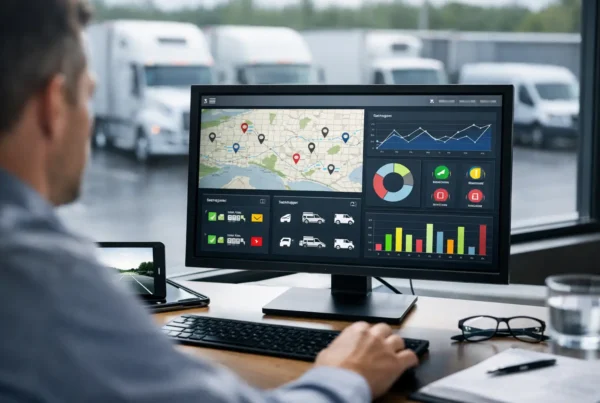
Live tracking remains the foundation of an effective fleet system. It shows where vehicles are, where they have been and whether work is progressing as planned. For a service fleet, that visibility helps an operations team allocate the nearest suitable engineer, respond to urgent call-outs and provide customers with realistic arrival times.
Location alone is only part of the picture. A useful live map should also show journey status, ignition state, speed, duration at site and unauthorised use alerts. A vehicle parked at a customer location is different from one stationary in traffic or left idling outside a depot. Clear status information allows teams to act on what they see.
The commercial benefit is often found in fewer unnecessary calls, better job allocation and more accurate customer updates. It can also expose recurring issues such as long diversions, excessive downtime or vehicles routinely returning to base before the working day is complete.
Driver behaviour data that leads to action
Speeding, harsh braking, sharp cornering and rapid acceleration are among the most valuable telematics measures, but only when they are handled constructively. Used well, driver behaviour reporting identifies patterns that increase collision risk, fuel consumption and vehicle wear. It gives managers a factual basis for a coaching conversation rather than relying on a complaint or a single observation.
The most effective approach is to agree clear standards, review trends fairly and give drivers context. A score alone can be misleading. For example, repeated harsh braking may point to following distances, but it could also reveal poor route planning, demanding schedules or a recurring hazard near a customer site. The data should start an investigation, not end one.
Driver-facing feedback can help where it suits the fleet. Some businesses benefit from in-cab alerts that encourage safer driving in the moment. Others prefer weekly scorecards and manager-led debriefs. The best choice depends on the workforce, the type of journeys and the existing safety culture.
Video evidence for incident review and driver protection
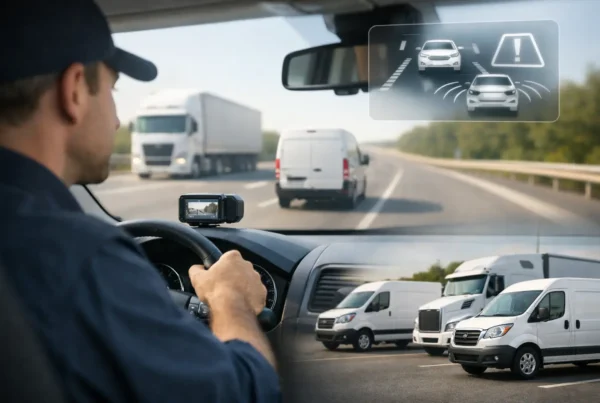
Vehicle cameras have moved from being an insurance accessory to an essential risk-management tool for many fleets. Forward-facing cameras can provide crucial context following a collision, while multi-camera systems can help operators understand what happened around larger vehicles, vulnerable road users or challenging manoeuvres.
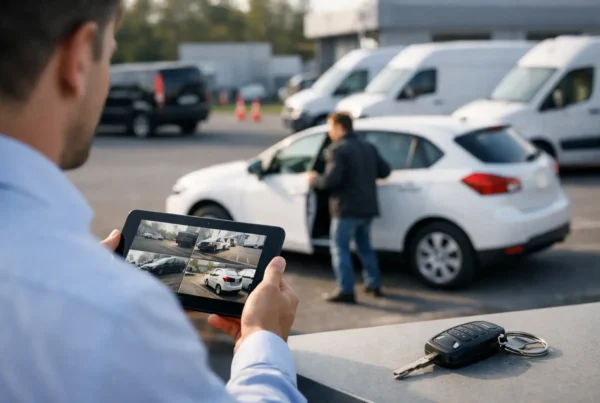
The value is particularly clear when an allegation is made against a driver. GPS may confirm a vehicle’s location and speed, but footage can show road conditions, traffic movements and whether another party caused the incident. This can support quicker claims decisions, defend professional drivers from false accusations and reduce time spent gathering evidence.
Camera specification should match the risk. A van fleet travelling mainly on motorways may need a different set-up from a waste, construction or delivery operation working in busy urban areas. Consider forward-facing, rear, side and internal camera coverage, alongside event-triggered recordings and live streaming where rapid intervention is required. More cameras are not automatically better if footage is difficult to retrieve or nobody is responsible for reviewing meaningful events.
Maintenance and vehicle health alerts
Unexpected downtime disrupts schedules, frustrates customers and creates expensive replacement work. Telematics can reduce that exposure by bringing mileage, engine fault codes and servicing requirements into one manageable view. Instead of relying on drivers to report warning lights promptly, fleet teams can receive alerts and plan work before a minor issue becomes a roadside failure.
Maintenance features are especially useful where fleets have vehicles distributed across several depots or drivers who take vehicles home. Managers can monitor approaching service intervals, MOT dates and reported faults without manually collecting odometer readings. That makes compliance administration more reliable and enables workshops to plan capacity.
However, vehicle data quality varies by make, model and device connection. Before committing to a platform, confirm which diagnostic information is available across your actual fleet and how alerts will be handled. An alert that is not assigned, reviewed and closed does not reduce downtime.
Mileage capture and journey classification
Accurate mileage records can remove a substantial administrative burden, particularly for grey fleet drivers and mobile employees using personal vehicles for business travel. Automated mileage capture provides a clearer record of business journeys, supports expense claims and helps organisations understand their true travel exposure.
Journey classification matters because not every mile has the same operational purpose. A system that allows drivers or administrators to distinguish business and private mileage can improve payroll processes, support tax reporting and provide more credible evidence for duty-of-care reviews. For businesses managing grey fleets, it can also reveal whether employees are travelling frequently enough to require closer checks on licence status, insurance and vehicle condition.
The key is to make the process simple. If drivers have to complete long forms after every journey, adoption will suffer. Mobile tools, sensible reminders and straightforward approval workflows are far more likely to produce dependable records.
Configurable alerts that prevent exceptions becoming habits
A good telematics platform should notify the right person when something needs attention, not overwhelm the team with routine movement updates. Configurable alerts can cover speeding, out-of-hours use, geofence entry and exit, idling, unauthorised movement, extended stops and missed visits.
Geofencing is particularly valuable for service, delivery and site-based operations. Virtual boundaries around depots, customer premises or restricted areas create an automatic time record of arrival and departure. This can help resolve disputes about attendance, verify service delivery and identify delays at sites that regularly hold vehicles up.
Set thresholds carefully. If an alert is triggered too often, it will be ignored. Start with the exceptions that carry a clear safety, cost or customer-service consequence, then refine settings after a few weeks of real use.
Reporting that answers commercial questions
The strongest reporting tools convert raw telematics data into decisions. Fleet managers need to know which vehicles are underused, which routes create the most idle time, where fuel performance is deteriorating and whether safety interventions are working. Directors may need a higher-level view of utilisation, cost exposure and compliance status.
That requires dashboards tailored to each role. A transport manager may need daily exception reporting, while a finance lead may only need a monthly review of mileage, utilisation and avoidable cost. Configurable reporting is more useful than a standard pack that forces everyone to search through the same data.
Look for reports that can be scheduled automatically and shared with the people who need them. Automation cuts admin, but it also creates accountability. When a weekly driver risk report arrives consistently, follow-up becomes part of normal management rather than an occasional project.
Asset, plant and lone worker visibility
The best telematics features for fleets should not stop at road vehicles if valuable equipment is also moving between sites. Asset and plant tracking can help recover stolen machinery, verify utilisation and prevent teams from hiring equipment that is already sitting unused elsewhere in the business.
For organisations with employees working alone, location technology can also support welfare processes. Lone worker protection features, including scheduled check-ins and emergency alerts, should sit within a clearly defined response procedure. Technology provides visibility, but the employer still needs trained people and a practical escalation plan.
Choose features around the operating problem
A fleet running long-distance lorries may prioritise driver risk, fuel performance and maintenance planning. A regional engineering business may gain more from job visibility, mileage capture and customer arrival updates. A construction operator may place camera coverage and plant tracking at the top of the list.
This is why a device-agnostic, consultative approach is valuable. Fleet Software Solutions helps operators match tracking devices, cameras and reporting tools to the risks and opportunities in their own operation, then turn the resulting data into measurable improvement.
Before selecting a system, define the outcomes you want to change over the next six to twelve months. That could be fewer at-fault incidents, lower idle time, reduced missed appointments or stronger evidence for claims. Then agree who will receive the data, what action they will take and how success will be measured. The feature that pays off is not necessarily the most advanced one. It is the one your team can use consistently to make a better operational decision.