
A van waiting outside a customer site for 20 minutes may look like a minor operational detail. Across a multi-vehicle fleet, repeated every day, it becomes a material fuel cost, an emissions issue and a source of avoidable engine wear. Knowing how to reduce fleet idling starts with treating it as a measurable behaviour, rather than an unavoidable part of field operations.
For UK fleet managers, the aim is not to enforce a simplistic zero-idling rule. Some idling is necessary: defrosting a windscreen safely, operating specialist equipment, managing refrigeration units or waiting briefly in congested locations. The practical objective is to identify unnecessary engine-running time, understand why it happens and make it easier for drivers and managers to change it.
Measure idling before setting a target
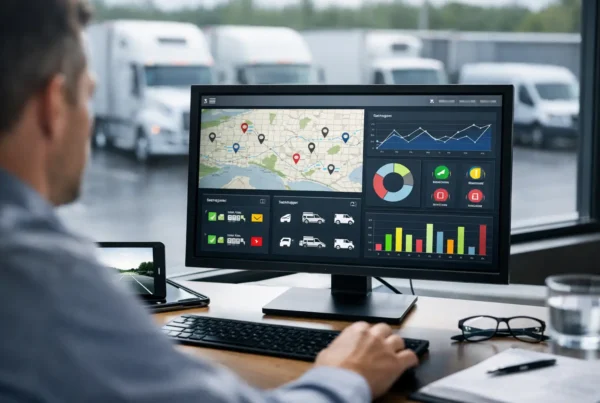
The first question is not whether your fleet idles too much. It is where, when and why it happens. Telematics data can show engine-on time against movement, allowing managers to distinguish between driving, short stops and stationary idling. Viewed alongside location, journey type and driver data, this turns a broad fuel concern into an operational issue that can be addressed.
A single fleet-wide figure is useful for senior reporting, but it should not be the only measure. Compare idling by vehicle class, depot, route, driver and job type. A service engineer working in urban areas may have very different legitimate idling requirements from a long-distance delivery driver or a facilities team operating plant on site.
Set a clear definition that suits the operation. For example, a vehicle stationary with the ignition on for more than three minutes may trigger an exception, unless it is in an approved operational category. Configurable alerts and dashboards prevent managers from spending time reviewing every short stop, while still highlighting patterns that deserve attention.
Find the operational causes, not just the drivers
Idling is often described as a driver behaviour problem. Sometimes it is, but that explanation can hide issues in planning, equipment and working practices. A driver who idles regularly may be waiting for access to a site, using a vehicle as a workspace, charging devices, keeping warm between jobs or dealing with unrealistic schedules.
Review exception data against the working day. If a group of vehicles repeatedly idles at the same customer location, speak to the customer or adjust the booking process. If idling rises around shift changes, investigate depot queuing, loading arrangements and handover procedures. If it occurs at specific times of year, drivers may need a better approach to cabin comfort and windscreen preparation.
This matters because a policy that ignores the real cause will not last. Telling a driver to switch off while leaving them to sit in a cold cab for 45 minutes between scheduled jobs is unlikely to improve engagement or service delivery. Good fleet management removes friction where possible, then holds people accountable for the behaviour they can control.
Build a practical anti-idling policy
An effective policy should be short, specific and connected to the way your fleet works. It needs to explain the commercial and safety reasons for reducing unnecessary idling, not simply issue a blanket instruction.
The policy should cover four points:
- when drivers must switch the engine off, such as during deliveries, paperwork, waiting periods and unattended stops;
- recognised exceptions, including safety-critical visibility, approved powered equipment and refrigeration requirements;
- the reporting threshold used to identify excessive idling; and
- how drivers can raise operational barriers that make compliance difficult.
Make sure the wording reflects legal and customer-site requirements where these apply. Many local authorities and customer premises restrict unnecessary engine running, particularly around schools, hospitals and built-up areas. A clear policy helps drivers act consistently and gives managers an agreed standard for coaching.
The policy should form part of induction and regular driver communication, rather than being circulated once and forgotten. Short toolbox talks work well when they use familiar examples: a vehicle left running while a driver completes a delivery, waits for a gate to open or takes a break. Showing the fuel and engine-hours impact in terms relevant to a driver’s own route is more persuasive than a generic corporate message.
Use telematics to reduce fleet idling fairly
Telematics is most valuable when it supports a conversation, not when it is used solely to issue warnings. Live vehicle tracking and idling alerts give operations teams the chance to address excessive engine running while it is still relevant. Scheduled reports then reveal whether a one-off event has become a repeated habit.
Driver scorecards can include idling alongside harsh braking, speeding and out-of-hours use, but context matters. Avoid ranking drivers against one another if their vehicle types and job profiles are fundamentally different. Instead, compare like with like and focus on improvement against each driver’s normal baseline.
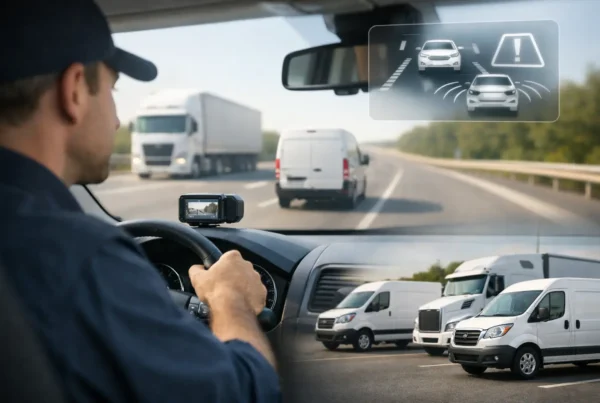
A useful manager review may combine idle time, idle fuel used, engine hours, stop locations and route completion. This gives enough evidence to separate avoidable behaviour from genuine operational need. Camera footage can also help where a location or activity is disputed, although it should be used proportionately and within clear company policies.
Automated exception reporting is particularly helpful for organisations with limited fleet resource. Rather than asking someone to inspect a map for every vehicle, configure a weekly report for vehicles or drivers above an agreed threshold. The fleet or transport manager can then focus attention where the likely return is greatest.
Coach drivers with evidence and respect
The most successful idling reduction programmes are consistent and non-confrontational. Begin with the data, ask the driver what was happening and agree a practical next step. This approach can expose barriers that would otherwise remain invisible, such as a customer requiring engines to remain on for equipment, an issue with a vehicle heater or excessive waiting time between appointments.
Where idling is clearly avoidable, set a measurable improvement goal and review it after a reasonable period. Recognition can be as useful as corrective action. Teams that reduce idle time while maintaining punctuality and safety should see that their effort is valued.
Be careful not to create incentives that lead to unintended consequences. A driver should never switch off in an unsafe position, compromise visibility in severe weather or rush a job to reduce a metric. Fuel savings must sit alongside road risk, driver welfare and customer service, not compete with them.
Improve scheduling, site access and vehicle suitability
Fleet idling often falls when the wider operation is planned more effectively. Route planning can reduce early arrivals and long waiting periods. Better customer communication can make site access, loading slots and job readiness more predictable. A live map also allows customer service teams to provide accurate arrival updates, reducing the pressure for drivers to arrive too early and wait with the engine running.
Review recurring idle locations with operations, rather than leaving the issue solely with fleet. If a depot creates queues each morning, stagger start times or change loading sequences. If engineers wait for permits or keys, improve the handover process. If vehicles spend long periods parked at jobs, consider whether mobile welfare arrangements, auxiliary power or more suitable equipment could reduce the need for engine running.
Vehicle specification also matters. Stop-start systems can help in appropriate urban use, but they are not a complete answer for a working fleet. Their benefit depends on duty cycle, battery condition and the demands placed on the vehicle. Refrigerated vehicles, welfare vans and vehicles with power take-off equipment need separate rules and monitoring, because engine running may be integral to the task.
Turn savings into a business case
The financial case becomes clearer when idle time is converted into litres, cost and engine hours. Even a modest reduction across a fleet can lower fuel spend, reduce carbon output and limit unnecessary wear on components affected by prolonged engine running. It can also support customer and tender requirements where environmental performance is under scrutiny.
Track progress monthly and report it in a format that senior managers can use. Show idle hours and fuel cost alongside operational context: mileage, jobs completed, fleet size and seasonal changes. This prevents a misleading improvement claim caused simply by fewer vehicles being on the road.
Fleet Software Solutions can help operators configure the right data views and alerts for their vehicles, so idling reporting reflects real working conditions rather than a generic benchmark. The strongest results come from combining that visibility with managers who are prepared to act on what the data shows.
A well-run idling programme is not about catching drivers out. It is about removing wasted fuel from routine activity while giving drivers, managers and customers a more reliable operation to work with.