
A camera only proves its value when something goes wrong at 7:40 on a wet Monday morning and everyone wants answers by 9. That is why the best fleet camera systems are not simply the ones with the highest resolution or the longest feature list. They are the systems that help you review incidents quickly, protect drivers fairly, reduce claims costs and give operations teams usable evidence without adding another layer of admin.
For UK fleet operators, that distinction matters. A courier fleet in city centres, a utilities business running vans across several regions and a haulier managing HGV risk all need different levels of coverage, storage, connectivity and driver support. Buying on headline specification alone often leads to overspend in the wrong areas or, worse, a system that drivers dislike and managers rarely use.
What makes the best fleet camera systems different?
The strongest systems do three jobs at once. First, they capture reliable footage when an incident occurs. Secondly, they make that footage easy to access and review. Thirdly, they fit into the wider operation so the camera estate supports safer driving, cleaner claims handling and better fleet oversight.
That last point is where many buying decisions go off course. A standalone dash cam may record a collision, but it may not help you understand driver behaviour trends, connect footage to vehicle location or flag events worth reviewing. For some businesses that is enough. For others, particularly those with higher mileage, regular third-party exposure or reputational risk, a connected camera setup tied into telematics creates a much stronger operational case.
The best result usually comes from matching camera type to vehicle duty, claims exposure and management capacity. A fleet with ten cars used by field sales staff has very different needs from a construction business with tippers, plant movements and vulnerable road user exposure.
Best fleet camera systems by use case
There is no single best fleet camera system for every operator. There is, however, a best-fit option depending on what your vehicles face each day.
Front-facing cameras for lower-risk fleets
If your priority is straightforward incident evidence, a forward-facing camera can be the right starting point. These systems are often a sensible fit for company cars, lighter commercial fleets and organisations taking a first step into vehicle cameras.
They are usually the most cost-effective route to dispute support. If a driver is wrongly blamed for harsh braking, a lane merge or a rear-end shunt, front-facing footage can settle the issue quickly. The trade-off is obvious: you only see what happens ahead of the vehicle. That limits value where side impact risk, loading activity or rear-end manoeuvring are regular concerns.
Dual-facing cameras for driver protection and context
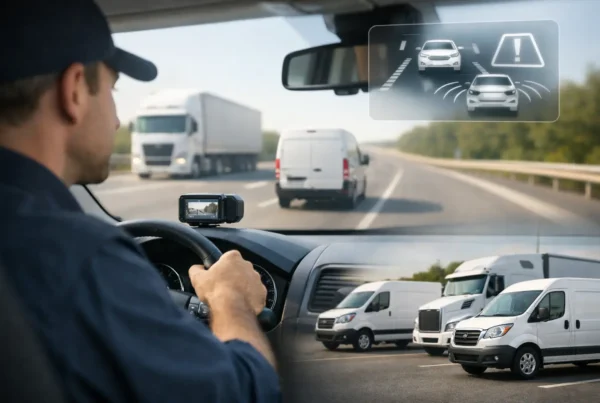
Dual-facing units record the road and the cab. For many fleets, this is where cameras start to deliver broader value because they provide context around distraction, seatbelt use, driver response and the events leading up to an incident.
They can also support coaching if handled properly. The key is policy, communication and fairness. Cameras should not feel like a punishment tool. Used well, they help distinguish between poor driving and unavoidable events, which protects good drivers as much as it challenges risky ones.
For service fleets, delivery operations and businesses exposed to frequent claims, dual-facing cameras often strike a good balance between evidence quality and cost.
Multi-camera systems for higher-risk operations
Once you move into HGVs, specialist vehicles, waste fleets, passenger transport or high-frequency urban work, multi-camera systems become far more relevant. These setups may include front, side, rear and in-cab coverage, sometimes with live streaming or trigger-based uploads.
This is where specification starts to matter more. You may need side cameras to support left-turn risk reduction, rear cameras for reversing incidents, or live access where duty-of-care and urgent incident response are priorities. The trade-off is complexity. More cameras mean more installation considerations, more footage and a greater need for clear review processes.
That does not make them harder to justify. In the right fleet, they are easier to justify because a single prevented claim, faster exoneration or avoided vehicle-off-road period can materially change the return.
What to look for when comparing systems
Video quality matters, but only up to a point. Clear footage in poor light and bad weather is more useful than marketing around ultra-high resolution that increases storage demands without improving day-to-day evidential value. Reliability is usually more important than headline sharpness.
Storage and access deserve equal attention. If footage is difficult to retrieve, managers will not use it consistently. Some fleets are well served by event-based storage and scheduled download processes. Others need remote access, live view capability or automatic uploads when an incident is triggered. The right answer depends on how quickly you need to act after collisions, complaints or safeguarding concerns.
Connectivity is another practical point. A system that works well in one operating model may be excessive in another. If vehicles rarely leave a depot area and incidents are low volume, constant live streaming may be unnecessary cost. If you manage lone workers, high-value loads or public-facing services, near real-time access can be far more compelling.
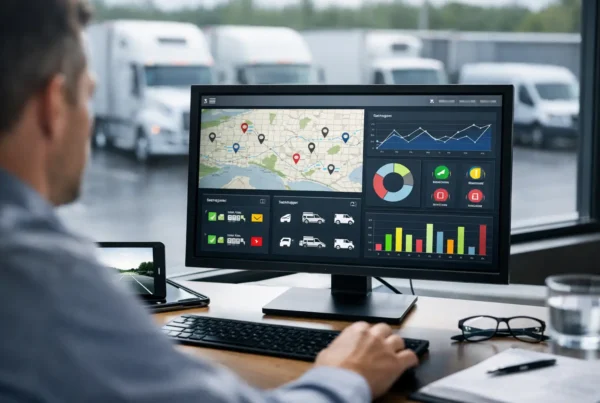
You should also examine how the system integrates with wider fleet data. A camera platform tied to tracking, vehicle location, alerts and reporting is more operationally useful than footage sitting in isolation. When an event can be reviewed alongside speed, route position and driver behaviour data, the management process becomes faster and more objective.
The trade-offs buyers should be honest about
The best fleet camera systems are not always the most advanced systems. They are the systems your business will actually use.
For example, AI event detection can add real value if it reduces manual review and highlights coaching opportunities. But it also needs sensible configuration. Too many alerts create noise, frustrate managers and undermine adoption. Likewise, live streaming sounds attractive, but if nobody is resourced to monitor or respond to it properly, the feature may add little beyond extra cost.
Driver acceptance is another area where a poor rollout can weaken a good investment. Even the right technology can become problematic if the policy is vague, the purpose is badly explained or footage access rules are unclear. A commercially sound deployment includes communication, policy alignment and a clear explanation of how cameras support driver safety as well as business protection.
Installation quality matters too. A capable system fitted inconsistently across mixed vehicle types will create avoidable problems with reliability, usability and image coverage. Fleets with varied vans, cars and specialist vehicles should think carefully about standardisation and device compatibility before committing.
How to choose the best fleet camera systems for your operation
Start with exposure, not equipment. Look at your incident profile over the last 12 months. Where are claims arising? Are they mostly road traffic disputes, reversing damage, third-party allegations, passenger complaints or driver conduct concerns? The camera solution should answer those realities, not a generic market checklist.
Then consider management workflow. Who will review footage? How quickly do they need access? What reporting or alerts will actually help them act? The right system for a busy transport office is often the one that reduces investigation time, not the one with the longest technical brochure.
It is also worth thinking beyond insurance. Cameras can improve driver debriefing, speed up complaint handling, support health and safety reviews and give customer-facing teams more confidence when timings or site access are disputed. That broader business case often makes investment easier to defend internally.
For many fleets, the strongest approach is consultative rather than product-led. Fleet Software Solutions, for example, works with businesses to match camera choice, connectivity and reporting to actual fleet risk and operating pressures rather than forcing a one-size-fits-all setup. That matters because most fleets do not need every feature, but they do need the right combination to deliver measurable value.
Common mistakes when buying fleet cameras
One common mistake is treating all vehicles the same. A mixed fleet often needs different camera configurations by vehicle role. Another is underestimating data access requirements. If footage retrieval is slow or awkward, incident resolution will still drag.
A third mistake is buying on price alone. Lower upfront cost can be a false economy if the system lacks the coverage, integration or reliability needed to support claims defence. Equally, overspecifying is just as wasteful. Paying for advanced functions with no operational owner rarely produces return.
The best buying decisions usually come from balancing risk, usability and commercial reality. That means asking not only what the cameras can record, but how that evidence will improve outcomes for drivers, managers and the wider business.
The right camera system should make your fleet easier to run when pressure is highest. If it helps you resolve incidents faster, coach drivers more fairly and protect the business with credible evidence, it is doing far more than recording the road ahead. It is giving your operation a stronger position when time, cost and accountability all matter at once.