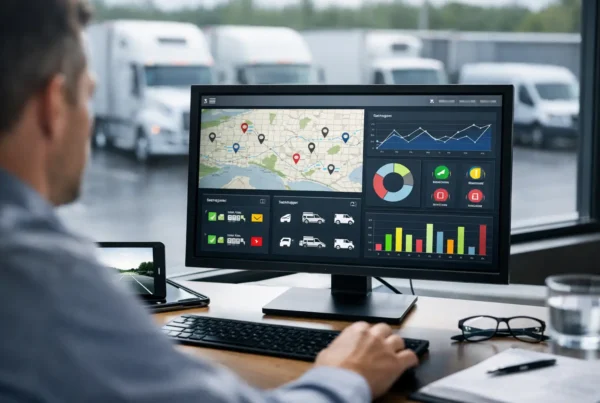

A trailer goes missing for half a day and the cost is rarely limited to the trailer itself. Deliveries are delayed, planners start ringing round depots, hired replacements are sourced at short notice, and customer service teams are left explaining why a load has not arrived. That is where a trailer asset tracking system earns its keep. It gives operators a live view of where trailers are, how often they are being used, and whether they are where they should be.
For many fleets, trailers are still managed with a mix of driver updates, yard checks and spreadsheets. That may work when numbers are low and movements are predictable. It tends to break down when the fleet grows, sites multiply, and trailers are dropped across customer premises, third-party yards or remote locations. Visibility becomes inconsistent, and once visibility goes, control usually follows.
Why trailer visibility is harder than vehicle visibility
A powered vehicle usually reports in every time it moves. A trailer is different. It can be parked for days, swapped between units, left at a customer site or moved by another party. That makes it easier to lose track of, especially if your operation handles mixed loads, seasonal peaks or subcontracted support.
The issue is not only theft, although that remains a concern. More often, the problem is underuse, idle time and unnecessary admin. A trailer might be perfectly safe, but still be sitting in the wrong place while another site is hiring in extra equipment. Without accurate location and status data, those decisions are made on assumptions rather than facts.
A tracking system changes that. Instead of relying on someone to notice a problem, it creates a dependable record of location, movement and dwell time. That helps transport and operations teams make quicker decisions with far less guesswork.
What a trailer asset tracking system should actually do
At the most basic level, a trailer asset tracking system should show where each trailer is and when it last moved. In practice, most operators need more than that. They need a platform that turns location data into operational control.
That means clear mapping, sensible reporting and alerts that can be configured around the way the business runs. If a trailer leaves a permitted area, sits idle for too long, or appears on the wrong site, the right people need to know quickly. If a trailer has not been used for weeks, that should show up in reporting so utilisation can be reviewed.
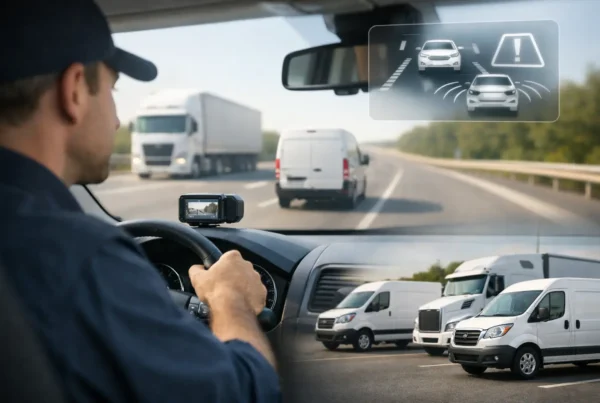
Battery life, installation method and device suitability also matter. Some trailer fleets need discreet, long-life battery-powered units. Others benefit from wired devices or a broader setup that links trailers with cameras, vehicle telematics or plant tracking. The right answer depends on how your assets are used, how often they move and how much operational detail you need.
The commercial case for tracking trailers
The strongest reason to invest is rarely just security. It is operational efficiency.
When trailer locations are visible in real time, planning becomes sharper. Teams can identify the nearest available trailer, reduce unnecessary shunting, avoid duplicate hires and cut the time spent phoning depots or drivers for updates. That has a direct effect on service delivery, especially where customer collections, timed deliveries or multi-site coordination are involved.
Utilisation is another major gain. Many businesses own more trailers than they actively need because they lack reliable usage data. A system that shows movement history and dwell time helps separate assets that are productive from those that are simply taking up space and tying up capital. In some cases, that leads to better redeployment. In others, it supports a decision to reduce fleet size or delay further purchase.
There is also a maintenance benefit. If you cannot see where trailers are, booking inspections and servicing becomes harder than it needs to be. Tracking data helps locate assets when they are due for attention and supports a more disciplined maintenance process. That matters for safety, uptime and compliance.
Where businesses often get it wrong
One common mistake is buying on unit price alone. Low-cost tracking can look attractive, but if the data is patchy, the battery life is poor or the reporting does not fit the operation, the savings disappear quickly. A cheap device that creates extra admin is not a low-cost solution.
Another issue is treating all trailers the same. A high-turnover urban fleet has different requirements from a plant hire business, a regional haulier or a construction supplier with trailers left on temporary sites. The reporting, alerting and hardware choice should reflect the risks and working pattern of the asset.
The third mistake is stopping at installation. Tracking only delivers value when teams know what to do with the information. If no one reviews idle assets, follows up exception alerts or uses the reports to improve planning, the system becomes little more than a dot on a map.
How to choose the right trailer asset tracking system
The starting point is not the device. It is the business problem.
If theft recovery is the main concern, you may prioritise covert installation, tamper awareness and location reporting that continues when a trailer is detached. If utilisation is the bigger issue, reporting on dwell time, movement frequency and site-by-site asset distribution becomes more important. If the operation is compliance-heavy, access to maintenance scheduling support and dependable audit trails may sit higher on the list.
Platform quality deserves close attention. A good system should make it easy to find trailers quickly, filter by location or status, and produce reports that operational teams will actually use. Overcomplicated software often ends up ignored. Clear dashboards and relevant alerts tend to deliver better results than a long list of features no one needs.
It is also worth checking how well the system fits with the rest of your fleet technology. Some operators want trailer tracking as a standalone service. Others benefit from having it alongside vehicle tracking, cameras or wider asset monitoring in one platform. That joined-up view can be especially useful when investigating delays, coordinating collections or defending insurance claims.
Why implementation matters as much as technology
Even a strong system can underperform if rollout is rushed. Asset lists need to be accurate. Site names and geofences need to reflect the real operation. Alerts need to go to the right people, at the right level, or they will be ignored within weeks.
The best implementations are practical rather than theoretical. They focus on the decisions your teams need to make each day. Which trailers are idle? Which assets are on the wrong site? Which customer locations hold more equipment than agreed? Which units have not moved and should be checked?
This is where consultancy adds value. A provider should help translate tracking data into working processes, not simply hand over login details. For many businesses, that support is the difference between owning a system and using it well.
Fleet Software Solutions takes that consultative approach because most operators do not need more data for its own sake. They need a setup that reduces admin, improves control and stands up commercially.
Trailer tracking and risk management
There is a wider risk picture here too. Unattended trailers can be vulnerable to theft, unauthorised movement or loss of high-value equipment. Knowing where a trailer is, when it moved and whether it has crossed a site boundary gives businesses a firmer grip on asset security.
It can also support insurance discussions. Demonstrating that assets are tracked, monitored and managed with alerts may strengthen your position, although the exact benefit depends on the insurer and the risk profile involved. As with any telematics investment, the clearest returns usually come when tracking is part of a broader operational discipline rather than a standalone security measure.
The result is better control, not more admin
That point matters. The right system should reduce the burden on transport and operations teams, not add to it. Instead of manual trailer checks and constant phone calls, teams can work from shared live information. Instead of reacting to missing assets after the fact, they can spot issues earlier and act with more confidence.
For growing fleets, that shift is significant. Better trailer visibility supports better customer communication, better asset use and better financial decisions. It helps businesses protect valuable equipment, but just as importantly, it helps them run a tighter operation.
If trailers are critical to your service delivery, they should not sit outside the same control standards you expect from the rest of your fleet. The real value of tracking is not simply knowing where an asset is. It is knowing what to do next, faster and with fewer assumptions.