
If your fleet team is still chasing drivers for updates, reacting to missed ETAs and piecing together mileage, fuel and incident data from different systems, the problem is rarely a lack of information. It is usually a lack of usable visibility. The best vehicle tracking software gives you live control of daily operations and turns location data into decisions that save time, reduce risk and protect margin.
That matters whether you run ten vans, a mixed fleet of cars and commercial vehicles, or a larger multi-site operation with field staff, subcontractors and valuable mobile assets. Good software should help you answer practical questions quickly: where is the nearest vehicle, why was that journey delayed, which drivers need support, and what is costing the business more than it should?
What the best vehicle tracking software should actually do
A lot of platforms promise similar features on paper. Live maps, alerts and reports are now standard. The real difference is whether the system helps your team act faster without creating more admin.
At a minimum, vehicle tracking software should show accurate real-time vehicle locations, trip history, driver behaviour data and basic reporting. For many fleets, that is enough to improve dispatch, reduce unauthorised use and handle customer queries with more confidence.
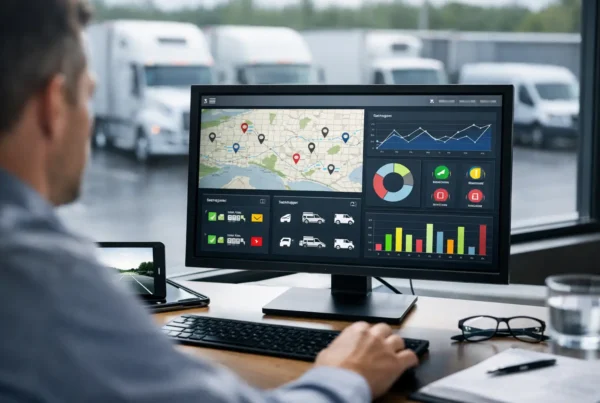
Where stronger systems stand out is in how they present and connect that information. A clear dashboard matters more than a long feature list. If a transport manager has to click through multiple screens to see idling, route deviations and overdue jobs, the software is slowing the operation down. If reports can be configured around the KPIs that matter to your business, adoption tends to be much stronger.
The best platforms also go beyond pure tracking. They can bring together mileage capture, camera footage, asset tracking, grey fleet oversight and compliance-related data in one place. That joined-up view is often where the commercial value really appears.
Best vehicle tracking software means best fit, not biggest brand
This is where many buyers lose time and budget. They search for the biggest name in the market when they should be looking for the right operational fit.
A national service fleet with time-critical callouts will need something different from a facilities business managing engineers across several regions. A fleet carrying higher-risk loads may place more value on integrated cameras and incident review. A company with a large grey fleet may care just as much about mileage accuracy and journey records as it does about vehicle location.
That is why the best vehicle tracking software is rarely a one-size-fits-all product. It depends on the shape of your fleet, the level of reporting required, the devices already in use and the outcomes you need to prove internally. If the goal is simply to know where vehicles are, there are lower-cost options. If the goal is to improve driver behaviour, support insurance discussions, reduce fuel spend and tighten customer service, you need a more considered setup.
The features that deliver commercial value
Live tracking is the starting point, not the end point. The software should support day-to-day planning and give managers confidence in the information they are using.
Configurable alerts are one of the most useful features when they are set up properly. Alerts for harsh driving, excessive idling, out-of-hours vehicle use, missed geofence arrivals or delayed departures can help teams intervene early rather than discovering issues at the end of the week. The key is relevance. Too many alerts create noise and quickly get ignored.
Reporting is equally important. Good reporting should show trends, not just events. Fuel waste, stop times, route efficiency, driver performance and utilisation all become more meaningful when they can be compared over time or segmented by depot, team or vehicle type.
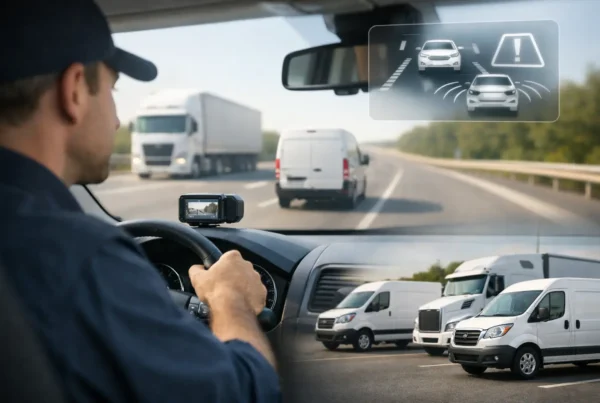
For many UK fleets, integrated vehicle cameras are now part of the conversation rather than an add-on. Tracking tells you where a vehicle was. Camera footage helps explain what happened. That can make a major difference when reviewing complaints, investigating incidents, supporting driver debriefs or defending insurance claims.
Usability should not be overlooked either. If software is easy for planners, managers and directors to use, it is far more likely to drive change. A platform that can be tailored with role-specific dashboards often performs better than one packed with features that only one person understands.
Questions to ask before you buy
The fastest way to choose badly is to buy on price alone. Low monthly costs can look attractive until you discover limited reporting, poor support or hardware that cannot adapt as your fleet changes.
Start by asking what problem the software needs to solve in the next 12 months. Is the priority reducing fuel spend, improving customer communication, strengthening health and safety, managing mobile workers more efficiently or getting better evidence around incidents? A supplier should be able to map the platform to those outcomes rather than simply demonstrating a map screen.
Then look at hardware flexibility. Not every fleet wants the same installation approach, and not every business wants to be tied to a narrow device range. If you are considering cameras, plant, trailers or mixed assets in future, compatibility matters.
Support is another practical issue that often gets underestimated. Implementation is only the beginning. The right supplier should help with setup, report configuration, dashboard tailoring and the operational use of data. If your team needs help translating telematics into driver coaching, insurance conversations or process improvements, that support becomes commercially valuable very quickly.
Where businesses often overbuy or underbuy
Some fleets buy a very basic tracking product and then wonder why costs do not move. If the software only confirms location, it may solve dispatch visibility but leave fuel, behaviour, maintenance-related driving issues and incident management untouched.
Others go too far the other way and pay for a sophisticated platform without the internal process to use it. If nobody owns the reports, no one reviews the alerts and driver debriefs never happen, even strong software will not deliver much return.
The right balance sits between capability and operational readiness. Choose a system you can use well now, but that also gives room to expand into cameras, bespoke reporting, asset tracking or grey fleet controls when the business is ready.
How to judge return on investment
The best vehicle tracking software should justify itself in several ways, not just one. Fuel savings are usually the easiest figure to understand, especially when idling, route choice and unnecessary mileage are reduced. But the wider return often matters just as much.
Better customer communication can reduce failed visits and improve service confidence. Faster access to journey history can cut time spent answering complaints or checking timesheets. Driver behaviour improvements can lower wear and tear, support training and strengthen your position with insurers. In some operations, avoiding a single disputed claim or improving utilisation enough to delay adding another vehicle can cover a meaningful share of the cost.
The strongest business case usually comes from combining these gains rather than relying on one headline saving. That is also why consultative support matters. Software should not just produce data. It should help you act on it.
Choosing a supplier, not just a platform
For many businesses, this is the real decision. Plenty of providers can offer a tracking system. Fewer can help you shape a solution around your vehicles, drivers, risk profile and reporting needs.
A good supplier will ask about your operating model, not just fleet size. They will want to understand whether you need camera integration, whether your vehicles return to base, how you manage grey fleet journeys, what directors need to see, and where operational pressure is highest. They should also be realistic about trade-offs. Some businesses need simple deployment and low admin. Others need deeper customisation and are prepared for a more involved setup.
This is where a consultative partner adds value. Fleet Software Solutions, for example, positions software as a business improvement tool rather than just a tracking screen, which is often the difference between buying technology and getting measurable operational benefit.
A better way to make the decision
Shortlist software based on the outcomes you need, then ask each supplier to show exactly how those outcomes will be delivered. Not a generic demo. Your workflows, your reports, your management questions.
If they cannot show how the platform will help reduce delays, improve utilisation, support driver conversations or defend claims, it may not be the best vehicle tracking software for your business, however polished the interface looks.
The right choice is the one that gives your team clearer visibility, less manual chasing and better control over costs and risk from day one, while still supporting where the fleet is heading next. Choose with that in mind, and tracking stops being a box-ticking purchase and starts pulling its weight across the operation.